Computer-Based vs Paper-Based IELTS in Pakistan: Which Should You Choose?
Last updated: August 26, 2026
1,967+
Students Taught
Band 5.5 → 7+
Typical Score Improvement
16+ Years
Teaching Experience
Both computer-based and paper-based IELTS are available in Pakistan, testing the same four skills at the same difficulty and marked on the same 9-band scale. The choice is not about which is “easier” — it is about which format suits how you read, type, and handle exam-day nerves, and how quickly you need your result for a visa or university deadline. This guide breaks it down with a side-by-side comparison, Pakistan-specific booking details, and honest advice on how to decide.
On this page
Computer-based IELTS: the pros and cons
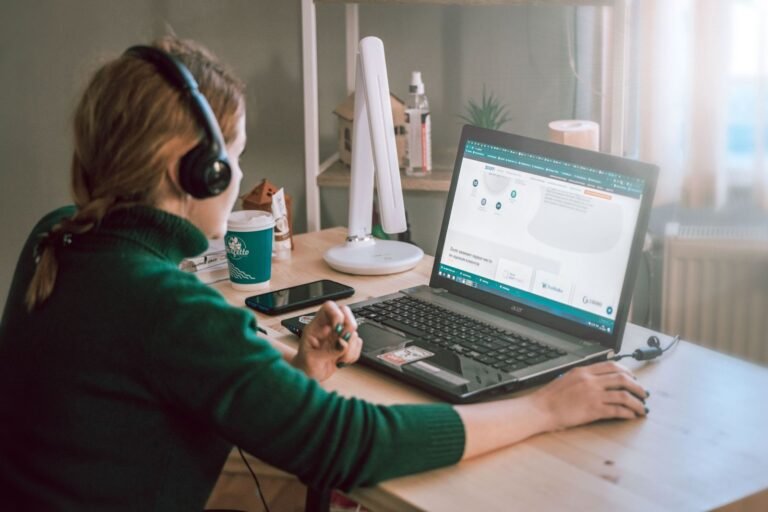
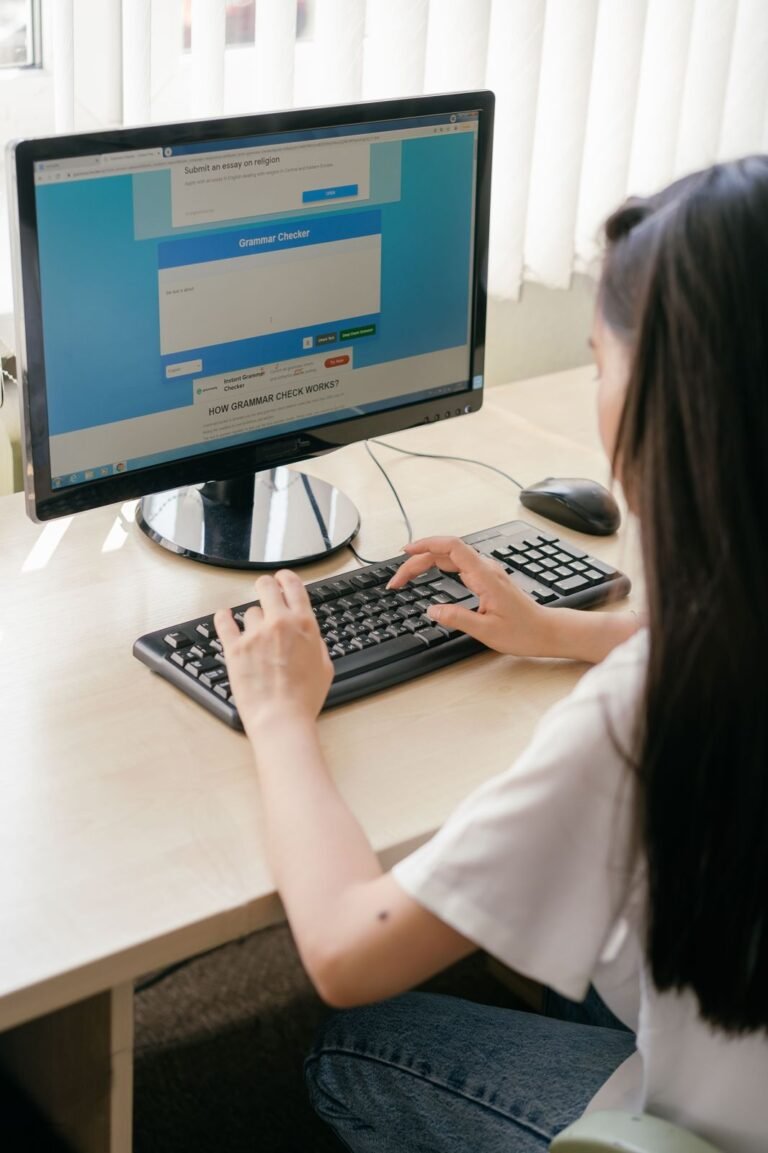
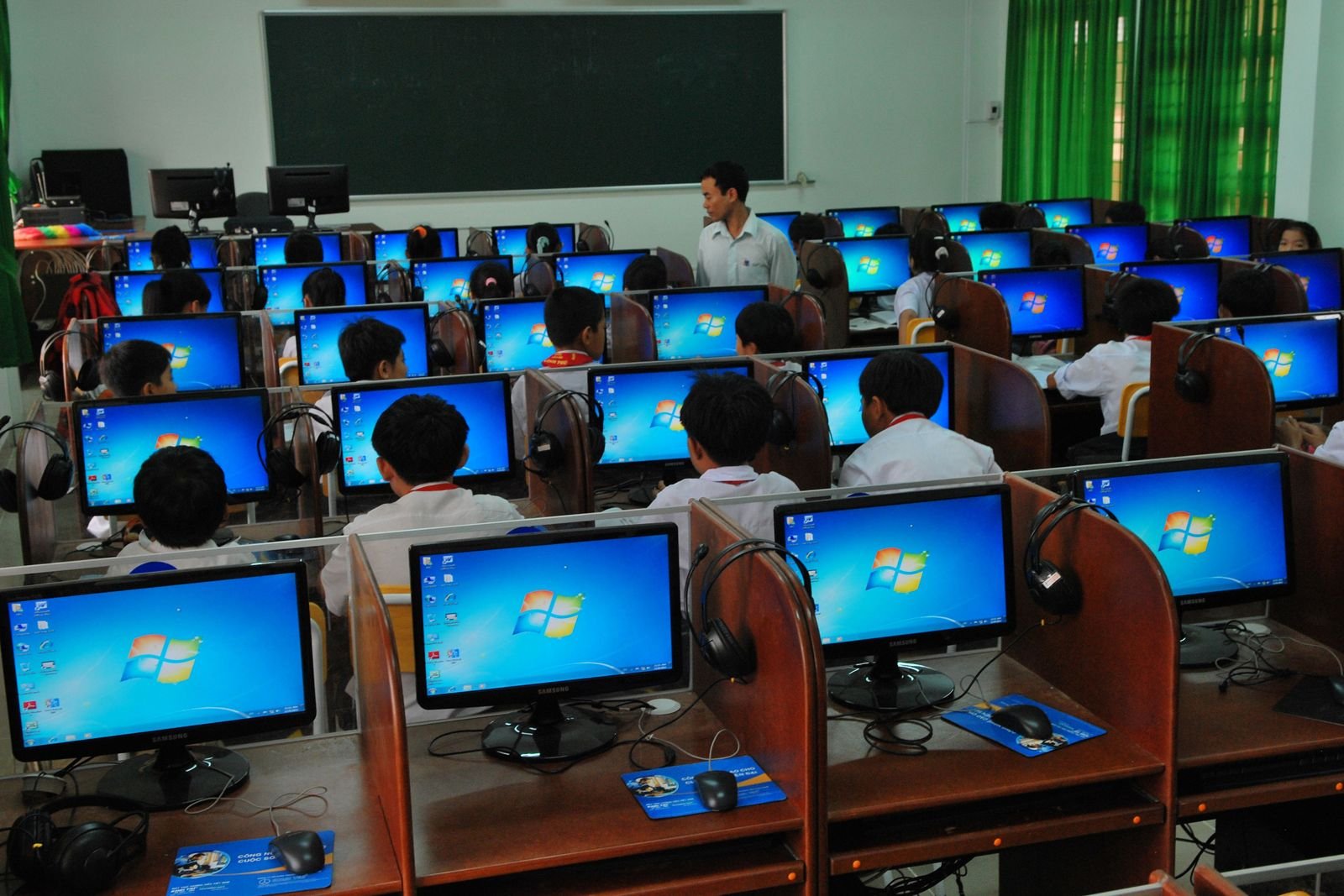
Computer-based IELTS (CBT) is delivered at a test centre on a desktop computer. The content is identical to paper — same Listening, Reading, Writing and Speaking sections — but you type your Writing answers and click your Reading and Listening responses instead of writing by hand.
The headline advantage is speed: CBT results are usually released in 3 to 5 days, compared with about 13 days for paper. If you are chasing a UK Student Route visa deadline or a university’s conditional-offer cutoff, those extra days matter. Typing also lets you edit, cut and paste, and re-order sentences without messy crossing-out, and the on-screen word counter removes the guesswork of counting 250 words by hand. Sessions are also more frequent — many centres run CBT slots several times a week rather than a few Saturdays a month.
The trade-offs: you need to be genuinely comfortable typing under pressure, the Reading passages require on-screen scrolling rather than flipping pages and annotating in the margin, and some candidates find hours of screen time more tiring on the eyes.
Paper-based IELTS: the pros and cons
Paper-based IELTS is the traditional format: you write your answers in a booklet with a pen or pencil. It suits candidates who think better on paper, like to underline keywords, circle options, and scribble Writing plans in the margin before committing.
The main drawback is the longer wait — roughly 13 days for results — and fewer available sitting dates, usually a handful of fixed Saturdays each month. Handwriting must also be legible; markers cannot award a band for words they cannot read, and there is no word counter, so you must estimate length yourself. The Listening section on paper also gives you 10 minutes at the end to transfer answers, a step that does not exist in CBT.
Side-by-side comparison
| Feature | Computer-based | Paper-based |
|---|---|---|
| Results turnaround | 3–5 days | ~13 days |
| Available dates | Several sittings per week | A few fixed Saturdays/month |
| Answering method | Type & click on screen | Handwrite in booklet |
| Editing answers | Easy — cut, paste, delete | Cross out by hand |
| Word count | Automatic on-screen counter | Estimate yourself |
| Listening transfer time | None needed | 10 min at the end |
| Speaking | Face-to-face with an examiner | Face-to-face with an examiner |
| Difficulty & scoring | Identical 9-band scale | Identical 9-band scale |
Note that the Speaking test is the same for both — a live, one-to-one conversation with a trained examiner. The format choice only affects Listening, Reading and Writing.
Booking, fees and centres in Pakistan
In Pakistan, IELTS is delivered by the British Council and by IDP/AEO, with test centres in Lahore, Karachi, Islamabad, Rawalpindi, Faisalabad, Multan, Peshawar and several other cities. Both providers offer computer-based and paper-based options in the larger cities, though CBT slots are concentrated in the major centres.
The test fee is broadly the same for both formats — budget in the region of PKR 74,000–75,000 for the Academic or General Training test (always confirm the current figure on the British Council or IDP Pakistan website before booking, as fees are revised periodically). Because CBT sittings are more frequent, it is often easier to secure a last-minute date if a deadline creeps up on you. Book through the official provider portals only, and keep your passport details exactly matching your booking — a mismatch is one of the most common avoidable problems at Pakistani test centres.
How to decide
Choose computer-based if you type faster than you write, you are chasing a tight visa or admission deadline, you want more date flexibility, or you are already comfortable reading long passages on a screen. Choose paper-based if you plan your essays on paper, prefer to annotate Reading passages by hand, feel calmer with pen and paper, or have neat, fast handwriting and no urgent deadline. If you are genuinely unsure, do one full timed practice test in each format — most candidates know within a single sitting which one feels natural.
Common mistakes Pakistani candidates make
A frequent error is picking CBT for the faster result without ever having typed a 250-word essay under time pressure — practise on a keyboard first. In Writing, Urdu-to-English interference shows up the same way in both formats: dropped or added articles (“a”, “the”), inconsistent tense within a paragraph, and over-formal connectors like “moreover” stacked in every sentence. On paper, unclear handwriting quietly costs marks; on screen, over-editing eats your time. The fix is the same regardless of format — targeted practice with real feedback, not just more mock tests.
This is where preparation quality decides your band. At English Learning Point, every practice essay and speaking response is scored by a real, qualified marker — never AI — so you find out exactly where your Task Response, grammar or fluency is leaking marks. Your feedback comes from a named instructor, Mudasser Iqbal, not an anonymous content farm, so you get consistent, examiner-informed guidance whichever format you sit.
FAQs
Is computer-based IELTS easier than paper?
No. The questions, difficulty and 9-band scoring are identical. Only the way you record answers differs, so “easier” simply means whichever format matches your habits.
Which one gives faster results?
Computer-based — typically 3 to 5 days, versus around 13 days for paper. That gap can be decisive for visa and admission deadlines.
Is the Speaking test different?
No. Both formats use the same face-to-face Speaking test with a live examiner. The format only changes Listening, Reading and Writing.
Does the fee differ between the two formats?
The fee is broadly the same for both. Confirm the current PKR amount on the British Council or IDP Pakistan website when you book.
Can I switch formats if I retake the test?
Yes. Your format choice applies per booking, so you can sit paper first and computer-based next time, or the reverse.
Ready to act on this?
Keep going
Practise in your chosen format with human-marked feedback: book a free consultation to find your target band, or browse the free resources to start today.
More IELTS Guides
Explore the full IELTS Guides & Resources hub, or continue with these related guides:
Similar Posts
How to Choose the Best IELTS Online Course in Pakistan
Picking an IELTS online course in Pakistan? Here’s what actually matters — human feedback, real mock tests, and honest teaching — and the red flags to avoid.
Linking Words in IELTS Writing: Why Overusing Them Caps You at Band 6
Think more linking words means a higher IELTS score? The opposite is true. Learn why overusing connectors caps you at Band 6 and what to do instead.
How to Manage Your Time in IELTS Reading (and Finish All 40 Questions)
Running out of time in IELTS Reading? Learn the timing strategy that gets you through all three passages and 40 questions in 60 minutes.
Why Am I Stuck at 6.5 in IELTS Writing? (And How to Finally Reach Band 7)
Stuck at IELTS Writing 6.5 while your other modules hit 7+? The real reason usually isn’t grammar — it’s Task Response. Here’s how to break the plateau.
IELTS Academic vs General Training: Which One Do You Need?
Choosing IELTS Academic or General Training? Pick the wrong one and your score may not count. Here’s exactly who needs which.